







Search Results for: Timor variety

A Complete Guide to Timor-Leste's Coffee Regions: Geography, Main Producing Areas, and the Origins of the Tim Tim Hybrid
Although Timor-Leste is a small country, it holds a place in Asia's coffee landscape. Located at the eastern end of the Nusa Tenggara archipelago, this nation has high-altitude mountains, volcanic soil, and abundant rainfall, providing exceptional natural conditions for coffee cultivation. Timor-Leste coffee is predominantly organically grown, with almost no use of chemicals, and its production areas are concentrated in Ermera, Manufahi, and other regions, with Ermera accounting for half of the national output. In terms of varieties, Hibrido de Timor, a natural hybrid of Arabica and Robusta, combines Arabica's quality with Robusta's disease resistance, and later gave rise to widely planted varieties such as Catimor. This article will take you deeper into the production regions and variety lineage of Timor-Leste coffee. [more…]
Analysis of Robusta and Arabica Hybrid Varieties: Introduction to Timor, Catimor, Castillo, and Yunnan Small-Bean Catimor
The coffee world is mainly divided into three major species: Arabica, Robusta, and Liberica, with the first two dominating commercial cultivation. Robusta originated in Congo, West Africa, and has strong adaptability, high caffeine content, a full-bodied flavor, and rich oils, and is often used in espresso blends and instant coffee. To incorporate its disease-resistant genes, coffee breeders crossed Robusta with Arabica, giving rise to a series of varieties such as Timor Hybrid, Catimor, and Castillo. This article will analyze the origins and characteristics of these varieties one by one, and introduce the Yunnan small-bean Catimor produced by Front Street Coffee, guiding you through the complete thread from variety to cup. [more…]
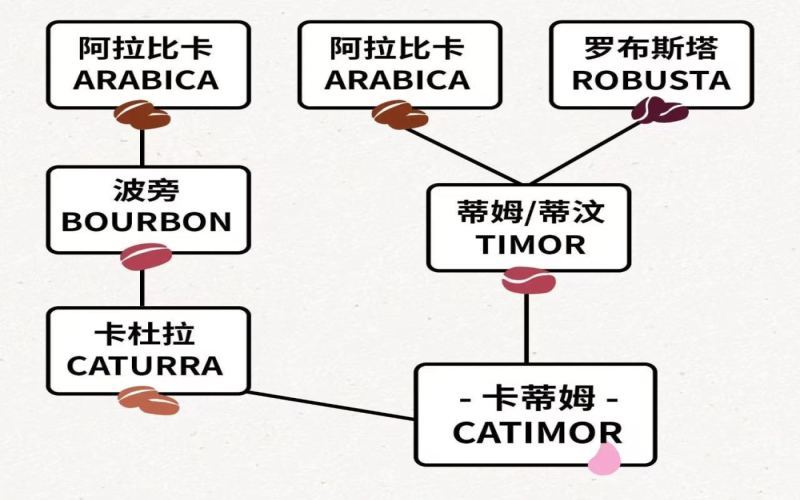
The Origin and Spread of the Catimor Coffee Variety Group: From Leaf Rust Resistance Hybridization to the Transformation of Yunnan Small-Bean Coffee
Catimor is not a single variety, but rather a group of varieties with similar bloodlines, and its birth stemmed from humanity's efforts to combat coffee leaf rust. From the natural hybrid Timor Hybrid found on the island of East Timor to its combination with Caturra, Catimor inherited the flavor potential of Arabica and the disease-resistant genes of Robusta. This variety group is widely cultivated in the Americas and Asia, especially in Yunnan, China, where Catimor replaced the traditional Typica and became the main variety. This article will sort out the origins of Catimor, the representative varieties bred in various places, and its role in Yunnan small-bean coffee, and discuss the relationship between its flavor expression and growing conditions. Front Street Coffee believes that Yunnan Catimor presents a balanced flavor of nuts, brown sugar, and plum. [more…]
Analysis of the Three Major Coffee Varieties: Robusta Characteristics, Arabica Hybrid Breeding, and the Flavor of Yunnan Catimor
In the world of coffee, Arabica, Robusta, and Liberica make up the three major species systems. Among them, Robusta, with its strong disease resistance and high caffeine content, has become an important raw material for espresso blends and instant coffee. This article begins with Robusta's origins and growth characteristics, then takes a deep dive into the genetic advantages brought by its cross-pollination, and traces the breeding history of Arabica-Robusta hybrids such as Timor Hybrid, Catimor, and Castillo. Finally, it focuses on Yunnan small-bean Catimor, exploring its flavor performance after washed processing, as well as its application in Front Street Coffee's espresso blends and pour-over single origins. Whether you are a coffee enthusiast or a industry professional, you can gain practical reference on variety selection and flavor pairing. [more…]

Yunnan small-bean Catimor coffee: variety origins, disease-resistance advantages, and a comparison of washed vs. natural flavors
Catimor is one of the most controversial yet most widespread coffee varieties in the world. Thanks to its Robusta lineage, it has gained exceptionally strong disease resistance, but for the same reason it carries the stereotype of having a rough flavor profile. From the perspective of Front Street, this article traces Catimor's breeding history and its journey of introduction into Yunnan, explaining why it has become the dominant variety in Yunnan coffee. At the same time, through a V60 brewing comparison of two Baoshan Catimor beans from Front Street—a washed one and a red cherry natural one—it concretely presents the flavor profiles Catimor can display under different processing methods, helping enthusiasts rediscover this everyday yet unusual coffee. [more…]
A Comprehensive Analysis of the Catimor Coffee Variety: The Robusta Genes Behind Its Disease Resistance and High Yield, and the Flavor Controversy
Catimor is a coffee variety bred by crossing Timor and Caturra. Developed in 1959 by CIFC in Portugal, it is known for its disease resistance and high yield, and is widely planted in Central and South America. It inherits the Robusta genes of Timor, giving it extremely strong resistance to leaf rust and berry disease. The plant is short and compact, suitable for dense planting, and its yield far exceeds that of traditional varieties. Currently, 99% of Yunnan's coffee production comes from Catimor. However, the Robusta genes also bring controversy in terms of flavor—when grown at high altitudes, its cupping performance is noticeably inferior to varieties such as Bourbon and Caturra, and the increased chlorogenic acid content brings bitterness and an unpleasant acidity. This article will provide a comprehensive analysis of Catimor's varietal origins, plant characteristics, and flavor controversies, and, using the high-mountain Catimor of Lujiangba in Baoshan, Yunnan as an example, combined with Front Street Coffee's roasting recommendations, explore this variety's positioning and value in the specialty coffee era. [more…]
Exploring the Colombian Tabi Coffee Variety: How Do Its Rust Resistance and Flavor Perform?
Tabi is a hybrid variety officially released by CENICAFE, the Colombian coffee research institute, in 2002, developed from a cross of Typica, Bourbon, and Timor varieties. Its most notable advantage lies in its resistance to coffee leaf rust, while inheriting the excellent cup quality of Bourbon and Typica. In plant morphology, Tabi resembles Bourbon and Typica, but its fruit and seeds are slightly larger, making it suitable for high-density planting at high altitudes. This article will review Tabi's breeding history, botanical characteristics, and flavor potential, and include recommended information from Front Street Coffee. [more…]
Analysis of Mandheling Coffee Origins: The Two Core Producing Regions of Sumatra and the True Identity of Indonesia's Ateng Variety
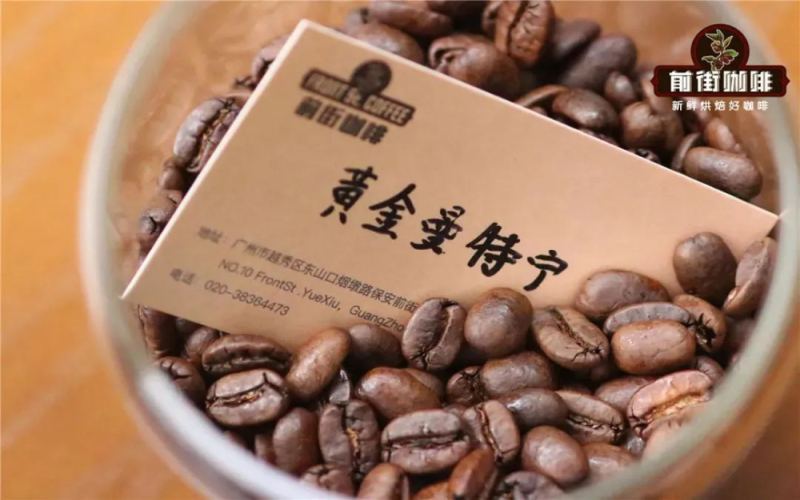
Mandheling coffee is one of Indonesia's most iconic coffees, renowned for its full-bodied, rich flavor. But do you know which areas of Sumatra it is mainly grown in? And what exactly is the often-mentioned Ateng variety? This article will take you into the Barisan Mountains of Sumatra to explore in detail the geographical characteristics and flavor differences of two core production regions—Mount Gayo in Aceh and Lintong in North Sumatra—while also revealing the true identity of the Ateng variety: it is actually the local Indonesian name for the Catimor variety. The article will also introduce Front Street Coffee's currently best-selling Lintong Mandheling and PWN Golden Mandheling, helping you gain a more comprehensive understanding of Indonesian coffee. [more…]
A Detailed Guide to Indonesian Coffee Regions, Varieties, and Grades: Flavor and Taste Characteristics of Mandheling G1 Coffee Beans
Indonesia, known as the "Country of a Thousand Islands," is also one of the world's important coffee-producing countries. From the Dutch first introducing coffee seedlings in 1696, to becoming the world's largest coffee exporter in the 18th century, and then to the rise of Robusta after leaf rust dealt a severe blow, Indonesian coffee has gone through a tumultuous history. Today, the distinctive coffee-producing regions on islands such as Java, Sumatra, Sulawesi, Bali, Flores, and Timor together form the diverse landscape of Indonesian coffee. Among them, Sumatra's Mandheling coffee is renowned worldwide for its mellow, rich flavor, while G1 grade represents the high-quality standard in Indonesia's coffee bean grading system. This article will guide you through a systematic understanding of the history of Indonesian coffee cultivation, the distribution of major producing regions, and the classification of varieties and grades, and will also provide an in-depth analysis of the flavor and taste characteristics of Mandheling G1 coffee beans, making it suitable for every coffee-loving reader to savor carefully. [more…]
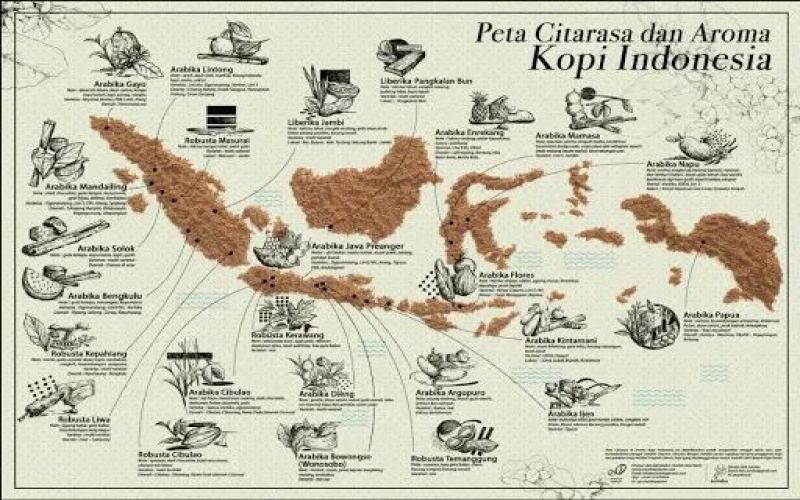
A Complete Analysis of Indonesian Coffee Varieties: Flavor Characteristics and Regional Distribution of Typica, Robusta, Catimor, and More
Indonesia is an important coffee-producing region globally, but its complex cultivation history and mixed varieties often confuse coffee enthusiasts. This article systematically sorts out Indonesia's main coffee varieties, including the long-established Typica, the highly disease-resistant Robusta, as well as localized Catimor and Jember, and provides detailed introductions to the flavor characteristics and main producing regions of each variety. At the same time, the article also retains related product recommendations from Front Street Coffee, such as Lintong Mandheling, Golden Mandheling, and West Java Arimani Estate beans, helping readers gain a more comprehensive understanding of the diversity of Indonesian coffee. [more…]
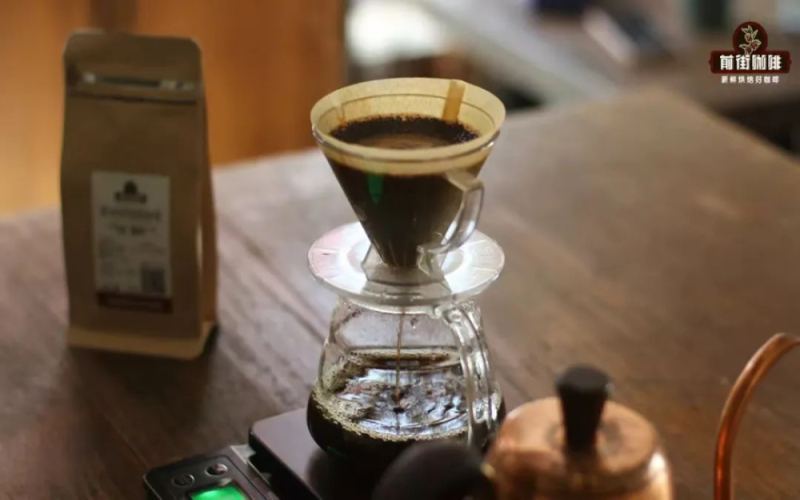
Where Does the Herbal Aroma of Sumatra Mandheling Come From? A Full Analysis of the Flavor Origins of Lintong
In Front Street Coffee's product line, the darkest roast is undoubtedly Indonesian Mandheling. Its distinctive spicy character, layered with herbal, caramel, and cocoa notes, has captivated many coffee enthusiasts. So how exactly is the signature herbal flavor in Mandheling formed? This article will analyze it from three perspectives: growing environment, coffee variety, and processing method. The name Mandheling actually originates from a local ethnic minority in Sumatra, and was later mistakenly adopted as a coffee name that persists to this day, now almost synonymous with Sumatran coffee. The producing regions are mainly concentrated around Mount Gayo and Lake Tawar in Aceh, as well as around Lake Toba in North Sumatra Province—commonly referred to as the "two lakes, two Mandhelings." [more…]
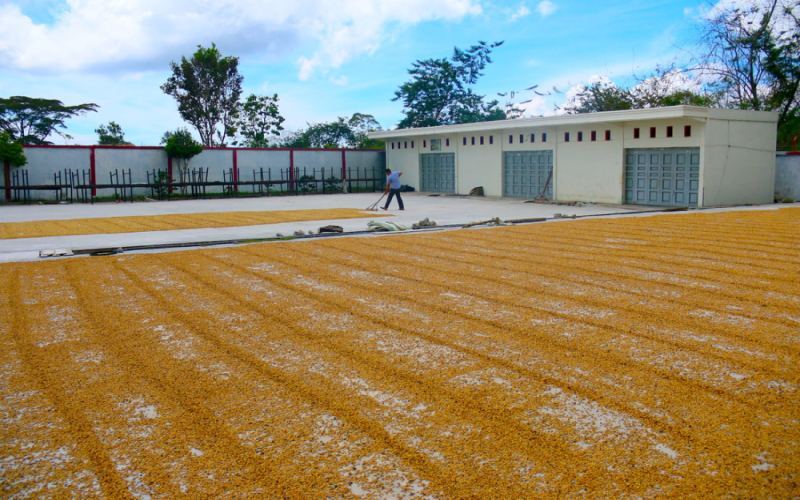
Sumatra Mandheling vs Java Coffee Comparison: A Complete Analysis of the Flavor Characteristics of Indonesia's Three Major Producing Regions
Indonesia stretches across the equator and is made up of more than 17,000 islands, where volcanic soil and a tropical rainforest climate provide exceptional conditions for coffee cultivation. Sumatra's Mandheling is known for its rich, full-bodied flavors of caramel, herbs, and dark wood, while Java coffee shows a more refined aroma and balanced acidity, and Sulawesi Toraja combines bright fruity acidity with caramel sweetness. Front Street Coffee believes that Indonesian coffee is richly layered and well worth exploring in depth for specialty coffee lovers. This article systematically reviews the cultivation backgrounds, variety characteristics, processing methods, and flavor differences of Indonesia's three core producing regions, and explains in detail the wet-hulled process, green bean grading system, and specialty beans such as Aged Mandheling, Tiger Mandheling, and West Java honey process, taking you through a comprehensive understanding of the unique charm of Indonesian coffee. [more…]
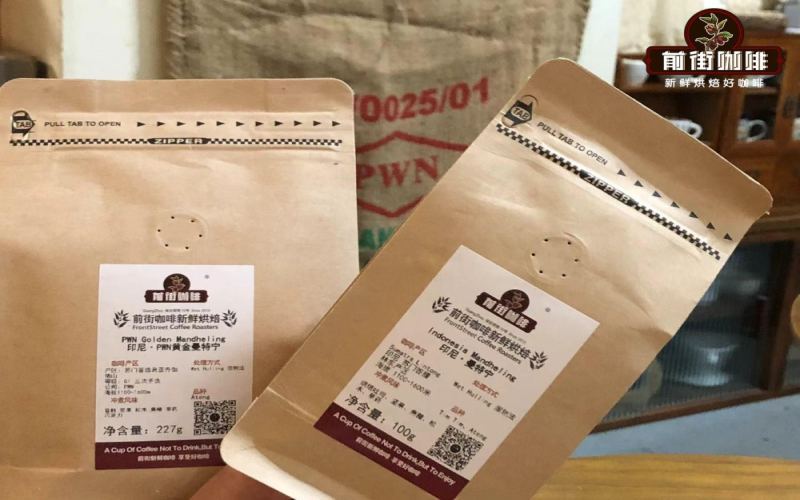
Exploring the Rich Mystery of the Two Lakes and Double Man: An In-Depth Analysis of the Herbal Flavor Origins of Indonesian Mandheling
Mandheling coffee is famous for its rich, intense flavor and distinctive herbal, spicy aroma, and the darkest-roasted bean on Front Street Coffee's menu is precisely this one from Indonesia. Many enthusiasts are curious: where exactly does this signature herbal flavor come from? This article will break down, one by one, the logic behind the rich flavor of the "Two Lakes, Two Man" blend—from Sumatra's growing environment, the evolution of coffee varieties, the wet-hulling process born of the tropical climate, and the way Front Street Coffee's Lintong Mandheling is presented—guiding you to a deeper understanding of the terroir and craft codes behind this classic coffee. [more…]
A Practical Guide to Choosing Coffee Beans: Varietal Differences Between Arabica and Robusta and a Breakdown of Regional Flavors
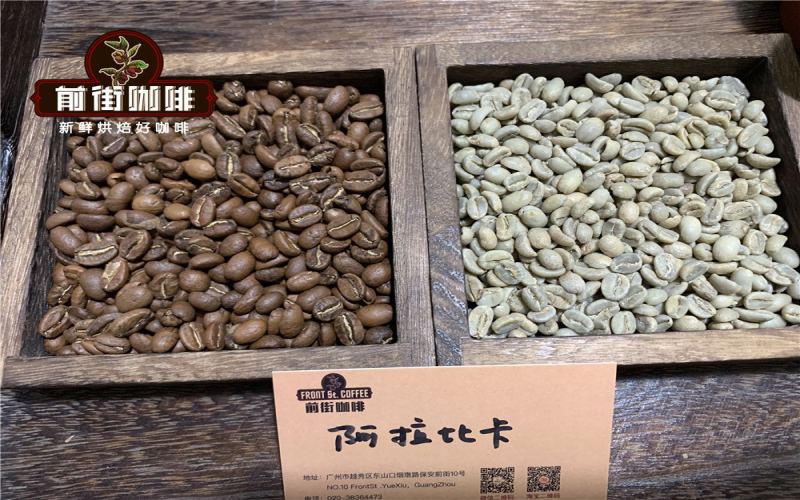
To truly understand a cup of coffee, start by getting to know coffee bean varieties. The two major species, Arabica and Robusta, each have their own character: the former offers delicate flavors and suits the specialty coffee path, while the latter has double the caffeine and rich oils, making it a frequent choice for espresso blends. Within Arabica, many varieties have emerged, such as Typica, Bourbon, Caturra, and Geisha, each with different requirements for altitude and climate, and vastly different expressions in the cup. This article sorts out the origins and flavor characteristics of the main varieties, and combines them with several recommended bean lists from Front Street Coffee to help coffee lovers find the one that suits them when buying. [more…]
Sumatra Aceh Gold: A Complete Guide to Indonesia's Specialty Coffee Region, Mandheling Processing Methods, and Flavor Profile
While studying Mr. Han Huaizong's "The Craft of Specialty Coffee," Front Street unexpectedly obtained a bag of sample beans labeled "Sumatra Aceh Gold." Aceh Gold, as the name suggests, originates from the Aceh region of Sumatra. It is entirely different from the herbal, medicinal, and smoky impressions of traditional Mandheling—it displays a clean profile, rich creamy chocolate notes, and a slight acidity, reminiscent of refined Latin American coffee. This article will follow in Front Street's footsteps, delving into Indonesia's three major coffee-producing regions—Java, Sulawesi, and Sumatra—to analyze famous varieties such as Mandheling, Golden Mandheling, Toraja, and Gayo Aceh, and to detail the characteristics of wet-hulling, green bean grading, Aged Mandheling, Tiger Mandheling, and West Java coffee, guiding you through a comprehensive understanding of this specialty coffee nation on the equatorial volcanic belt. [more…]
A Complete Analysis of the Arabica Coffee Bean Family: The Variety Lineage and Characteristics from Typica and Bourbon to Geisha and Catimor
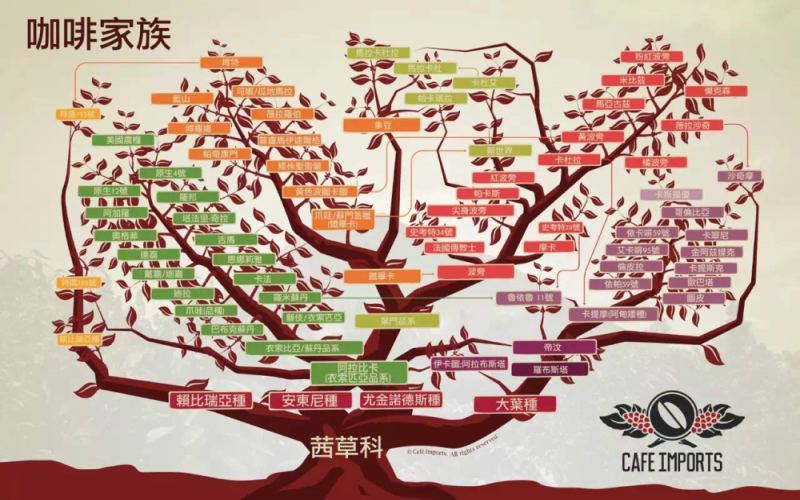
The flavors of coffee are endlessly varied, and the root cause often lies in differences between varieties. Among the two main types of beans, Arabica and Robusta, Arabica has become the primary source of specialty coffee thanks to its delicate and elegant flavor expression. Starting from botanical classification, this article sorts out Arabica's origins, growing conditions, and physical characteristics, and systematically introduces the background and flavor traits of common varieties such as Typica, Bourbon, SL28, Geisha, Caturra, Pacas, Maragogype, Tim Tim, and Catimor. It also retains the producing regions, processing methods, and flavor descriptions of several Front Street Coffee single-origin beans, helping coffee lovers build a complete framework for understanding varieties. [more…]

Indonesian coffee growing areas, Sumatra growing area varieties, Mandheling coffee.
Indonesia is a Southeast Asian country, adjacent to the countries of Papua New Guinea, Timor-Leste, and Malaysia. It is composed of 17,508 islands and is the largest archipelagic country in the world, spanning Asia and Oceania, and is also a country [more…]
Exploring Sumatran Specialty Coffee: Aceh Gold and a Full Breakdown of Mandheling Grading
While studying Mr. Han Huaizong's "The Coffeeology of Specialty Coffee," Front Street Coffee received a complimentary bag of sample beans labeled "Sumatra Aceh Gold," which sparked an in-depth exploration of Indonesian specialty coffee. Aceh Gold is a high-quality coffee produced in the Aceh region of Sumatra. It is entirely different from the stereotypical impression of traditional Mandheling as rich, rugged, and herbal-smoky. Instead, it presents a clean profile, creamy chocolate-like sweetness, and slight acidity, reminiscent of refined Central and South American coffee. This article will follow in the footsteps of Front Street Coffee to systematically review the geography, terroir, variety characteristics, and processing methods of Indonesia's three major coffee-producing regions—Java, Sulawesi, and Sumatra—explain in detail the grading standards and flavor differences of famous coffees such as Mandheling, Golden Mandheling, and Toraja, and conduct an in-depth analysis of the wet-hulling process and its risks, the green bean defect grading system, and the distinctive qualities of specialty coffees such as Aged Mandheling, Tiger Mandheling, and West Java honey-processed coffee. [more…]
The Arabica Coffee Variety System | What types of Arabica coffee beans are there? Is the difference between Arabica and Robusta coffee significant?
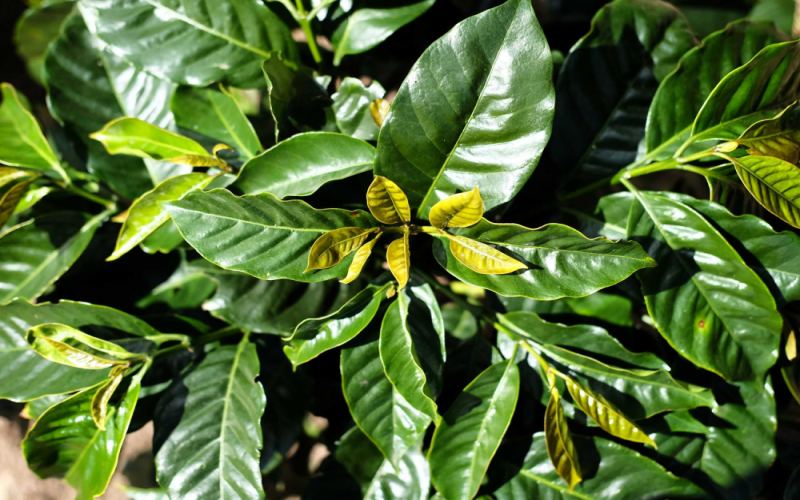
It is often said that delicious coffee is inseparable from its variety, and currently the most common are Arabica coffee beans and Robusta coffee beans, which are the two most common bean types. The Arabica variety is considered the best among all varieties, mostly appearing as specialty coffee, and its overall flavor is also relatively good. Our famous Blue Mountain Coffee [more…]

Who is Indonesian Mandheling coffee suitable for? A full analysis of Sumatra pour-over flavor and taste characteristics
Mandheling coffee is one of the representatives of the rich and full-bodied style, ranking alongside Jamaican Blue Mountain. It originates from the island of Sumatra in Indonesia and is processed using the unique wet-hulling method, presenting a flavor profile interwoven with nuts, spices, chocolate, and caramel. This article will systematically analyze the flavor and mouthfeel characteristics of Front Street Indonesia Lintong Mandheling coffee, from producing region distribution, variety evolution, and processing techniques to pour-over parameters, and explain which coffee enthusiasts it suits. If you prefer coffee that is solid and full-bodied with a pronounced herbal and spicy aroma, Mandheling is a choice worth exploring in depth. [more…]